
In an era where travelers demand instant bookings and hyper-personalized experiences, relying on fragmented legacy systems is a recipe for operational gridlock. To thrive, modern agencies must transition from manual spreadsheets to a robust ERP for travel industry needs. By integrating front-end bookings with back-end finance and resource management, a specialized ERP serves as the engine that drives efficiency, ensures accuracy, and accelerates business scaling.
Why Do Modern Agencies Need an ERP for Travel Industry?
The travel sector is uniquely complex, involving multi-currency transactions, diverse vendor networks, and real-time inventory shifts. A generic management tool often falls short of these specific demands.
Unified Data Ecosystem: Consolidates flights, hotels, and local tours into one accessible dashboard.
Automated Documentation: Instantly generates invoices, vouchers, and itineraries, reducing human error.
Real-time Inventory Management: Specialized travel ERP solutions sync with Global Distribution Systems (GDS) to prevent overbooking and ensure price accuracy across all sales channels.
Streamlining Tour Planning and Itinerary Management
The core value of any travel business lies in its ability to craft seamless journeys. An ERP for travel agency operations simplifies the most labor-intensive parts of product development.
Modular Itinerary Building: Drag-and-drop components like transport, meals, and sightseeing to create custom packages in minutes.
Dynamic Pricing Engines: Automatically calculates margins and taxes based on real-time vendor rates, ensuring every quote remains profitable.
Supplier Integration: Connects directly with third-party APIs (like Amadeus or Sabre) to pull live availability and pricing, allowing for "instant-book" capabilities that modern travelers expect.
Optimizing Scheduling and Resource Allocation
Effective resource management determines whether a tour is a logistical success or a costly nightmare. This is where ERPNext services can provide a competitive edge through open-source flexibility.
Automated Driver and Guide Scheduling
Assigning the right personnel to the right tour requires a clear view of availability and certifications.
Conflict Alerts: The system flags overlapping schedules or expired guide licenses before they become a problem.
Geographical Optimization: Maps out the most efficient routes for transport fleets to minimize fuel costs and travel time.
Vehicle and Asset Tracking
Manage your fleet with precision to ensure safety and reliability.
Maintenance Logs: Tracks mileage and schedules preventive maintenance for buses and vans.
Utilization Reports: Identify which assets are underperforming and adjust your fleet size to match actual demand.
Enhancing Financial Transparency and Multi-Currency Accounting
For CFOs and operations managers, the biggest headache is often reconciling payments across different borders and currencies.
Automated Reconciliation: Matches bank statements with booking invoices to identify discrepancies instantly.
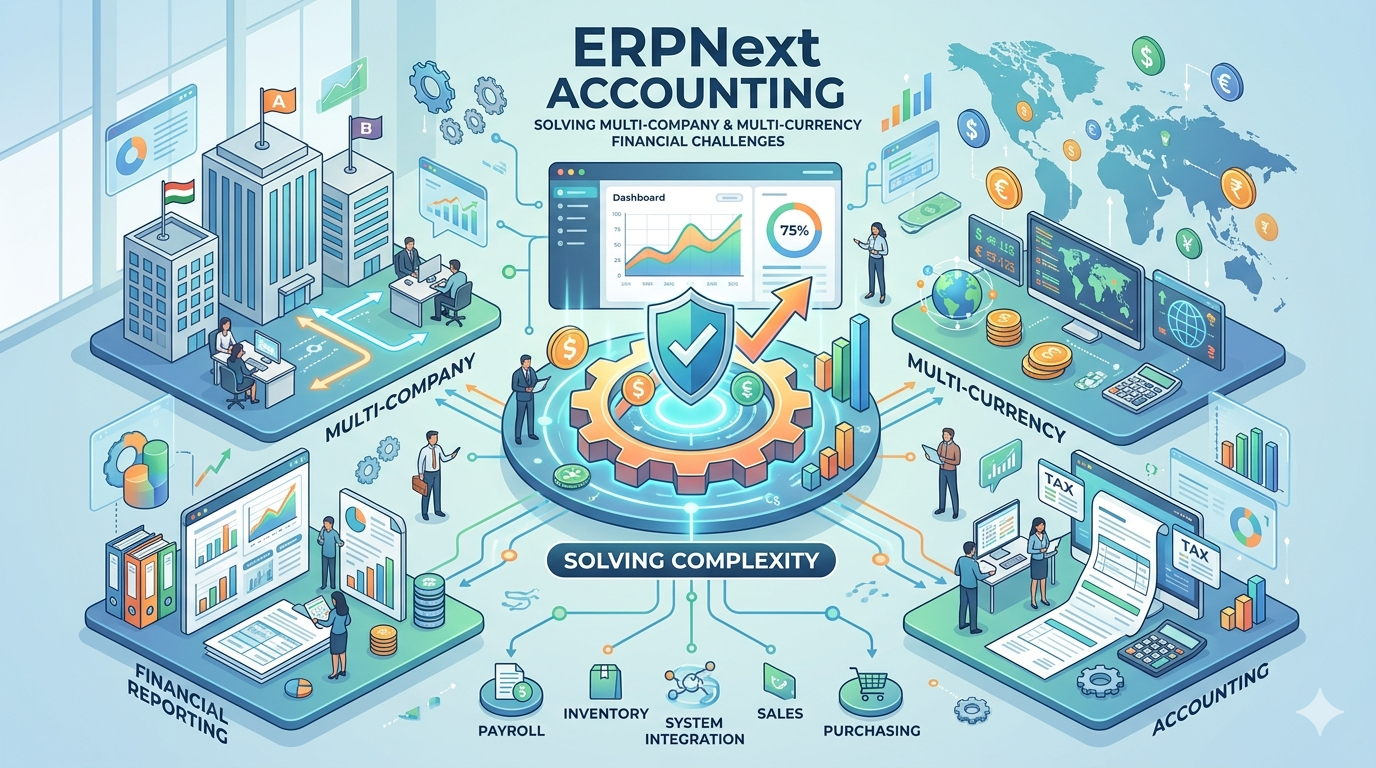
Multi-Currency Support: Handles complex exchange rates at the time of booking vs. the time of payment, protecting your margins from currency volatility.
Comprehensive Reporting: Access real-time P&L statements for specific tours or seasonal periods, providing the data needed for informed scaling.
The Role of ERPNext Services in Travel Automation
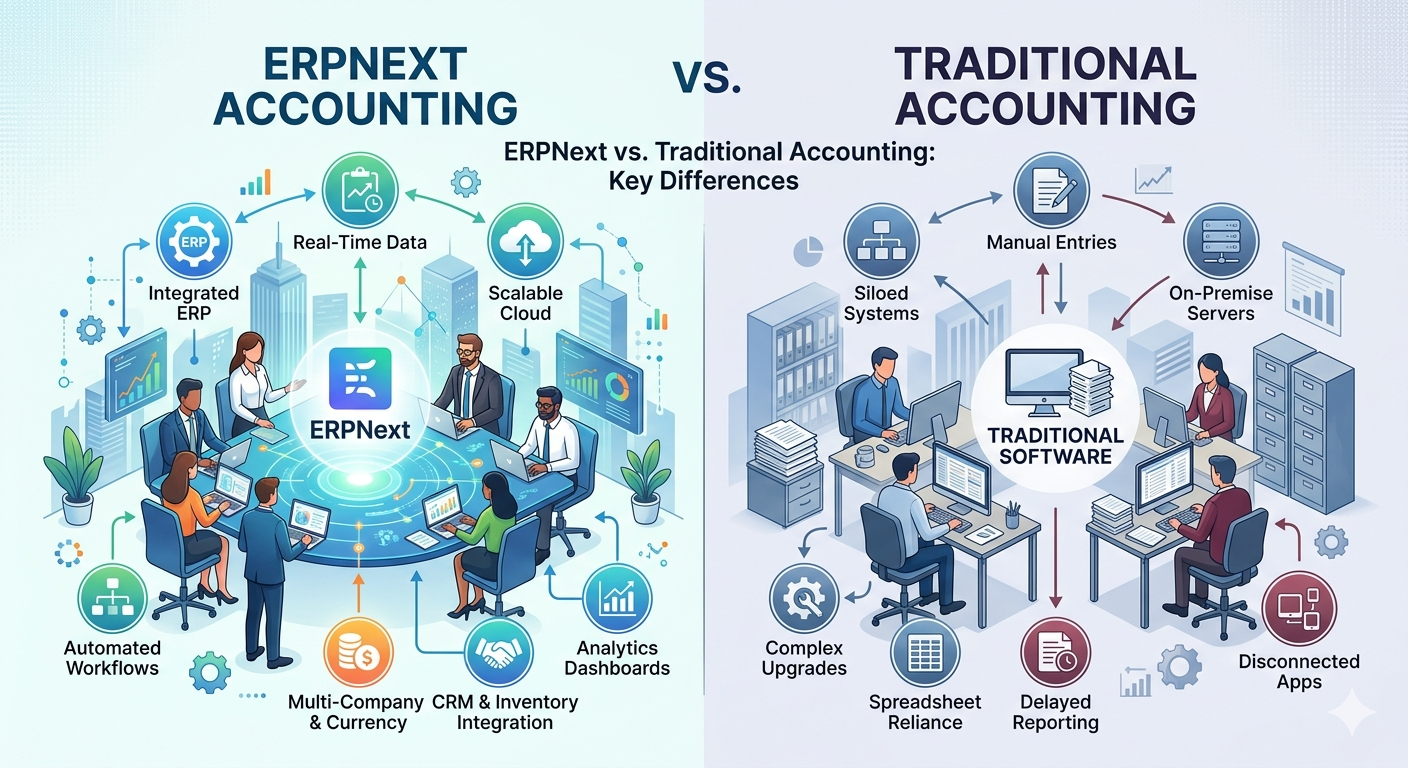
Choosing the right platform is critical. Many small to mid-sized businesses are turning to ERPNext services because of the platform's modularity and cost-effectiveness.
Custom Workflow Creation: Tailor the software to your specific niche, whether you focus on luxury safaris or corporate business travel.
Centralized Communication: Tracks all client interactions and preferences, enabling personalized marketing and superior customer service.
Mobile Accessibility: Enables field staff and tour leaders to update status reports and expenses directly from their smartphones.
FAQs: Understanding ERP for the Travel Sector
1. How does an ERP for travel industry improve customer satisfaction? By automating confirmations and providing instant updates on itinerary changes, an ERP ensures customers receive accurate information promptly, leading to a smoother travel experience.
2. Can a travel ERP integrate with my existing website? Yes. Most modern systems, especially those utilizing ERPNext services, offer API integrations that connect your front-end booking engine directly to your back-office management.
3. Is an ERP suitable for small travel agencies? Absolutely. Cloud-based ERP solutions allow small agencies to automate manual tasks, allowing them to handle a higher volume of bookings without increasing their headcount.
4. How does an ERP handle cancellations and refunds? The system automates the cancellation workflow, calculating applicable fees based on your policy and updating inventory levels across all platforms simultaneously.
5. What are the security benefits of using a travel ERP? Centrally storing sensitive traveler data and financial records within a secure ERP environment ensures compliance with data protection laws like GDPR and reduces the risk of data breaches.
Conclusion: Scale Your Travel Business with Sigzen
Implementing a specialized ERP for travel industry operations is the most effective way to eliminate bottlenecks and reclaim your time. From precision tour planning to automated financial reporting, the right system provides the visibility required to turn a local agency into a global player.
At Sigzen, we specialize in delivering high-performance ERPNext services tailored to the unique demands of the travel and tourism sector. Our solutions empower you to focus on creating unforgettable experiences while we handle the digital heavy lifting.













Write a comment ...