
Introduction
In today’s highly competitive industrial landscape, maintaining consistent product quality and regulatory compliance is no longer optional—it’s a necessity. Many manufacturers still struggle with manual quality checks, inconsistent processes, and compliance risks that directly impact profitability and brand reputation. This is where Manufacturing ERP systems step in as a game-changer.
A modern Manufacturing ERP, powered by ERPNext, empowers businesses to automate quality control processes, enforce compliance standards, and ensure data accuracy across every stage of production. From raw material inspection to final product validation, ERPNext provides a centralized, intelligent system that transforms quality management into a strategic advantage.
What Is Manufacturing ERP in Quality Control?
Understanding Quality Control in Manufacturing ERP
Manufacturing ERP integrates quality control directly into production workflows, ensuring that every step—from procurement to dispatch—follows predefined quality standards.
Key Capabilities:
Automated Quality Inspections
Real-time Quality Alerts
Batch-wise Traceability
Compliance Documentation
Standardized Testing Procedures
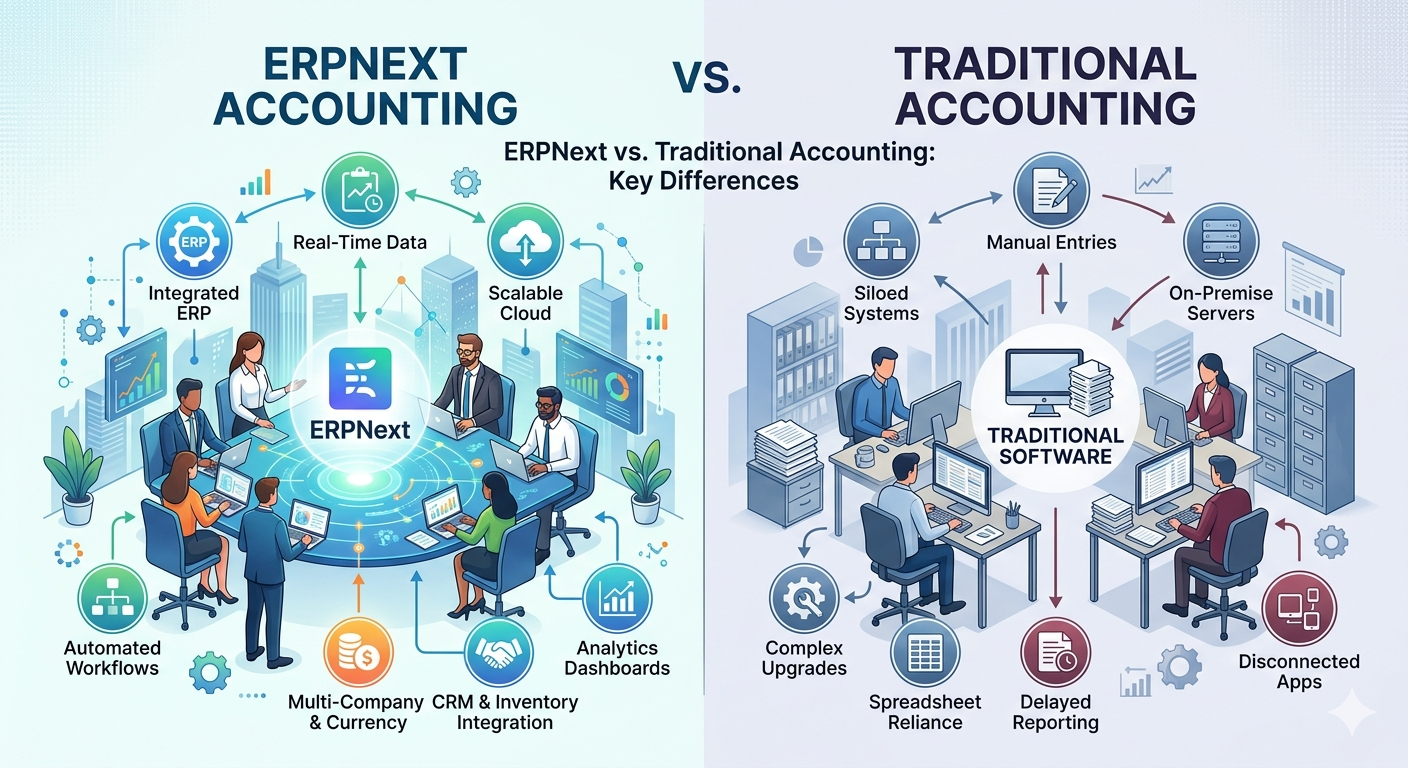
Unlike traditional systems, ERPNext ensures that quality is not an afterthought—it is embedded into every process.
Common Quality Challenges in Manufacturing Industry
Major Problems:
Lack of standardized inspection processes: Inconsistent quality checks across departments lead to unreliable and non-uniform product standards.
Manual data entry leading to errors: Human involvement in recording data increases the risk of inaccuracies and operational inefficiencies.
No real-time visibility into defects: Delayed detection of defects prevents timely corrective actions and impacts production quality.
Difficulty in compliance reporting: Managing regulatory documentation manually makes audits complex, time-consuming, and error-prone.
Poor traceability of batches and materials: Inability to track materials across the supply chain leads to challenges in recalls and quality accountability.
Business Impact:
Increased rejection rates: Poor quality control results in higher product rejection and wastage, increasing operational costs.
Customer dissatisfaction: Inconsistent product quality negatively affects customer trust and long-term business relationships.
Regulatory penalties: Non-compliance with industry standards can lead to legal issues, fines, and operational disruptions.
Loss of brand credibility: Repeated quality failures damage brand reputation and reduce market competitiveness.
How ERPNext Manufacturing Solves Quality Control Problems
1. Automated Quality Inspections
Raw materials
Work-in-progress (WIP)
Finished goods
Benefits:
Eliminates manual errors
Ensures consistent inspection criteria
Speeds up approval processes
Real-Time Quality Tracking
With ERPNext, quality data is captured in real-time across production stages.
Key Features:
Live dashboards
Instant alerts for failures
Quality trend analysis
3. Batch and Serial Number Traceability
Traceability is critical for compliance and recall management.
ERPNext Capabilities:
Track materials from supplier to customer
Identify defective batches instantly
Maintain complete audit trails
4. Compliance & Documentation Automation
ERPNext simplifies compliance with industry standards like ISO, GMP, etc.
Automated Features:
Digital quality reports
Audit logs
Document management system
5. Integrated Workflow Across Departments
ERPNext connects quality control with:
Inventory
Production
Procurement
Sales
Result:
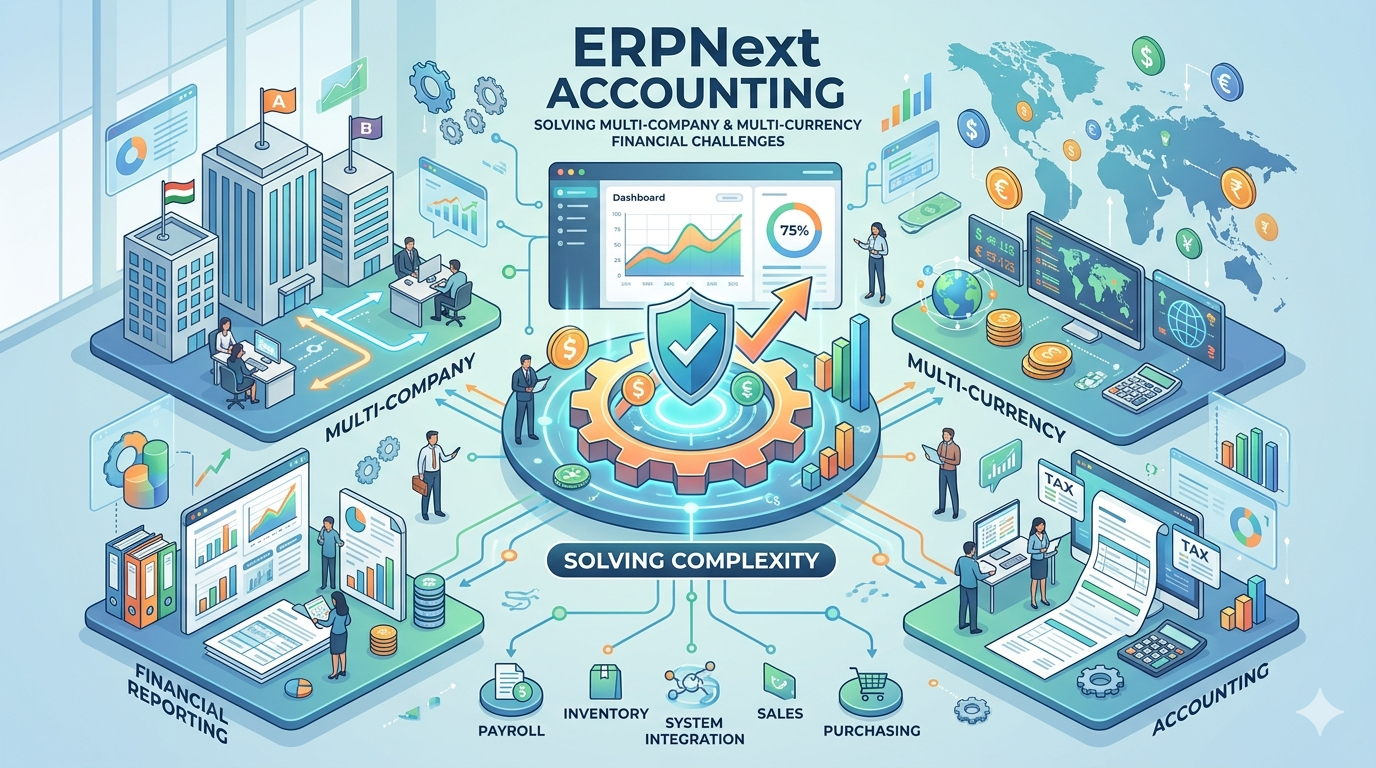
A unified system where quality is enforced at every touchpoint.
FAQs: Manufacturing ERP for Quality Control
1. What is Manufacturing ERP in quality control?
Manufacturing ERP integrates quality management into production processes, ensuring standardized inspections, compliance, and traceability.
2. How does ERPNext improve quality control?
ERPNext automates inspections, tracks quality in real-time, and ensures compliance with industry standards through integrated workflows.
3. Why is traceability important in manufacturing?
Traceability helps identify defective products, manage recalls, and maintain compliance with regulatory requirements.
4. Can ERPNext handle compliance requirements?
Yes, ERPNext supports compliance through audit trails, documentation, and standardized quality processes.
5. Is ERPNext suitable for small manufacturers?
Absolutely. ERPNext is cost-effective, scalable, and ideal for small to mid-sized manufacturing businesses.
Conclusion
Quality control is no longer just a checkpoint it’s a continuous process that defines the success of your manufacturing operations. A powerful Manufacturing ERP like ERPNext ensures that quality, compliance, and accuracy are seamlessly integrated into every stage of production.
By automating inspections, improving traceability, and enabling real-time insights, ERPNext empowers manufacturers to reduce defects, enhance compliance, and achieve operational excellence.














Write a comment ...