
In today’s highly competitive manufacturing landscape in India, selecting the best ERP for manufacturing is no longer optional—it’s essential. When your production, inventory management, supply chain coordination, and finance functions all operate on siloed systems, you end up with delays, inaccuracies, and wasted costs.
A modern ERP for manufacturing ties those functions together, bringing visibility, agility, and control. This article explores how to identify the best ERP for manufacturing industry use, particularly in India, and examines how ERP systems like ERPNext Manufacturing deliver real value.
Whether you’re a founder, CFO, CTO, operations head, or ERP consultant evaluating ERP for manufacturing industry adoption, this guide helps you understand what “best” really means.
What Defines the Best ERP for Manufacturing?
Why Manufacturing Organizations Need a Purpose-Built ERP
Manufacturing firms face unique requirements—production scheduling, work orders, bills of materials (BOM), shop-floor monitoring, quality control, inventory management, and supplier coordination. A generic ERP may handle finance or HR but will struggle with manufacturing-specific workflows.
The best ERP for manufacturing delivers integrated, end-to-end functionality tailored to production and supply chain needs.
Key Criteria to Evaluate When Choosing the Best ERP for Manufacturing
Here’s what to assess before deciding on a system:
Production Transparency: Real-time visibility of work orders, machine and labor usage, and production bottlenecks.
Inventory & Supply Chain Coordination: Integration between procurement, warehouses, and suppliers.
Cost & Financial Oversight: Seamless connection between production costing, budgeting, and accounting.
Quality & Compliance Management: Built-in quality checks, traceability, and audit trails.
Localization for India: GST compliance, multi-currency support, and e-way bill generation.
Scalability & Cloud Readiness: Cloud deployment for flexibility and growth.
Analytics & AI Integration: Predictive analytics and smart factory integration.
Ease of Implementation & Support: Localized vendor support and user-friendly interface.
Why the “Best” ERP Isn’t Always the Biggest Brand
Big names don’t always mean better results. The ideal ERP is one that aligns closely with your manufacturing model, Indian operations, and scalability needs. Sometimes a specialized ERP like ERPNext delivers more value than a global heavyweight.
How ERP for Manufacturing Works in India
Understanding the Indian Context
India’s manufacturing ecosystem is complex—multi-state operations, GST regulations, and diverse supply chains. The best ERP for manufacturing in India must handle Indian statutory compliance and local vendor networks, while maintaining global best practices.
Key Features Indian Manufacturers Prioritize
Production Planning & Scheduling – Manage batch or job-shop manufacturing efficiently.
Inventory Control – Real-time stock visibility across multiple warehouses.
Supplier Collaboration – Vendor portals and automated purchase workflows.
Costing Integration – Product-level cost tracking and variance analysis.
Quality & Compliance – Traceability, inspection checkpoints, and ISO-ready reports.
Cloud Scalability – Reduced on-premise dependency.
Data Analytics – Dashboards and KPIs for faster decisions.
Example Workflow
Imagine a furniture manufacturer in Ahmedabad using a modern ERP:
Sales orders generate automated work orders.
BOMs trigger raw-material requirements.
Missing stock creates purchase orders automatically.
Real-time dashboards show shop-floor progress.
Quality issues are flagged instantly.
Costs update automatically in accounting.
Export invoices and GST returns are generated seamlessly.
That’s the power of an integrated manufacturing ERP.
Why the Best ERP for Manufacturing Adds Strategic Value
Operational Efficiency
A single system streamlines production, procurement, finance, and supply chain operations. Automation reduces human error and improves lead times.
Agility & Responsiveness
ERP systems provide agility to respond to market shifts, raw-material fluctuations, and urgent orders through real-time data and forecasting.
Quality & Compliance
In-built quality management modules reduce defects, ensure traceability, and simplify audits.
Data-Driven Decisions
Digital Transformation
Modern ERPs like ERPNext integrate with IoT and AI systems to prepare for Industry 4.0. Predictive maintenance, automated reporting, and intelligent scheduling are becoming standard.
How to Select and Implement the Best ERP for Manufacturing
Step 1: Define Requirements
List your specific manufacturing needs—types of production, number of plants, costing methods, compliance standards, and KPIs.
Step 2: Shortlist Manufacturing-Focused Systems
Choose ERPs that specialize in manufacturing, not just general business management. Ensure they support Indian GST and local compliance.
Step 3: Plan Implementation
Follow a phased rollout—start with inventory and production, then add quality, analytics, and automation modules.
Step 4: Ensure Vendor Support
Work with a partner experienced in Indian manufacturing and ERPNext deployment. Prioritize training and change management.
Step 5: Measure ROI
Track metrics such as reduced production time, inventory savings, defect reduction, and improved delivery performance.
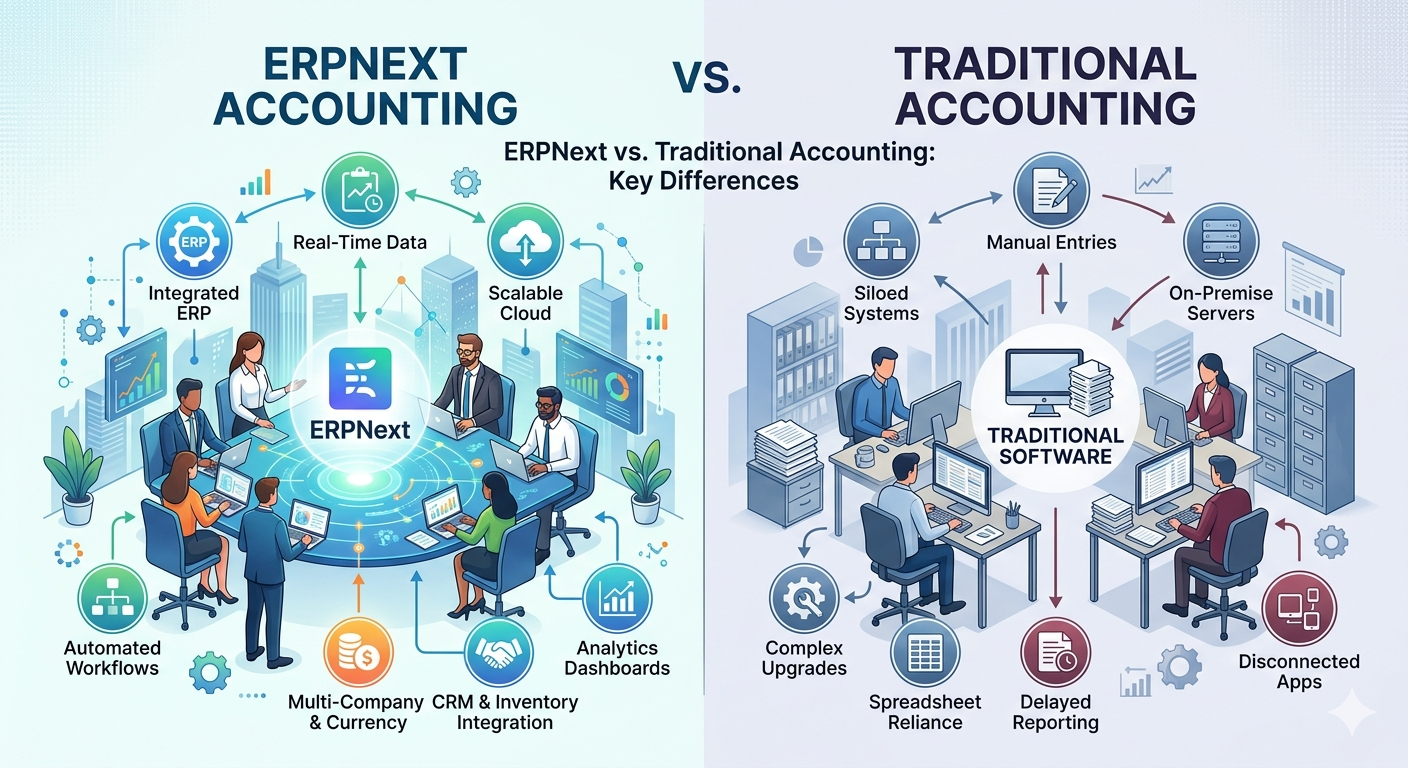
ERPNext for Manufacturing: Why It’s Among the Best
ERPNext’s manufacturing module is designed for flexibility and scalability. It includes BOM, work orders, job cards, scheduling, and real-time reporting—all tailored for discrete and process manufacturing.
Key reasons Indian manufacturers prefer ERPNext:
Native Indian localization (GST, e-way bills).
Open-source flexibility with low ownership cost.
Scalable cloud deployment.
Seamless integration with inventory, quality, and finance.
Real-World Example
A mid-sized auto parts manufacturer adopted ERPNext to automate production tracking. Within months, they cut manual data entry by 70%, reduced raw-material wastage, and improved on-time delivery by 20%.
ERPNext proves that a well-implemented modular system can outperform complex enterprise software at a fraction of the cost.
Practical Tips for Maximizing ERP Value
Standardize Processes Before Implementation – Avoid automating inefficiencies.
Engage Cross-Functional Teams – Involve production, finance, and supply-chain users early.
Prioritize Training – Educate users with role-based modules.
Monitor KPIs Regularly – Use data-driven dashboards to ensure ROI.
Plan for Scalability – Keep future product lines and expansion in mind.
Common Manufacturing Challenges and ERP Solutions
Data Silos: Unified ERP databases eliminate duplication and errors.
Inventory Issues: Automated reorders prevent stockouts or overstocking.
Production Delays: Real-time visibility reduces bottlenecks.
Quality Problems: Traceability and QC modules ensure compliance.
Cost Overruns: Accurate costing and variance analysis enhance profitability.
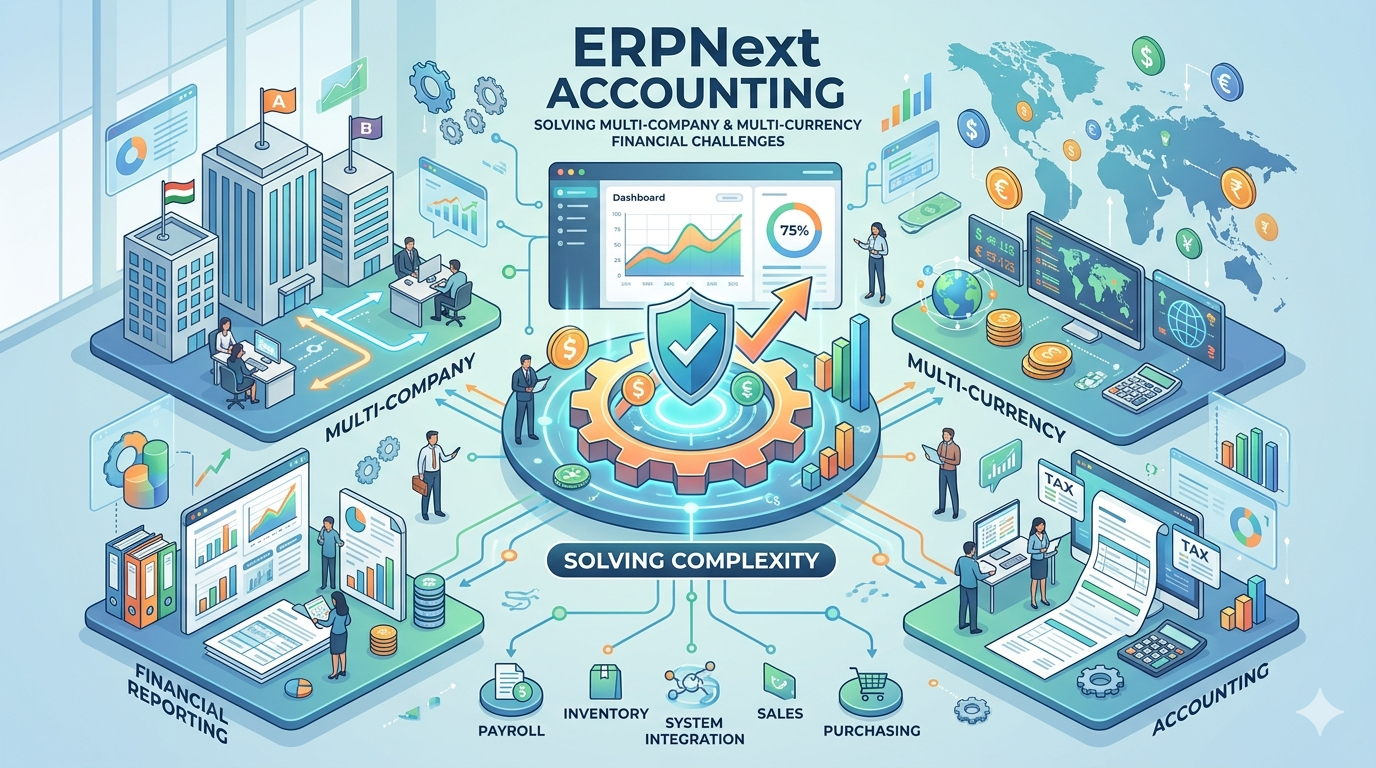
Scalability Limits: Multi-plant ERP setups support expansion across India and abroad.
Why the Best ERP for Manufacturing Matters Now
Global Competition: Manufacturers must operate efficiently to remain competitive.
Supply Chain Volatility: ERPs mitigate risks with better forecasting.
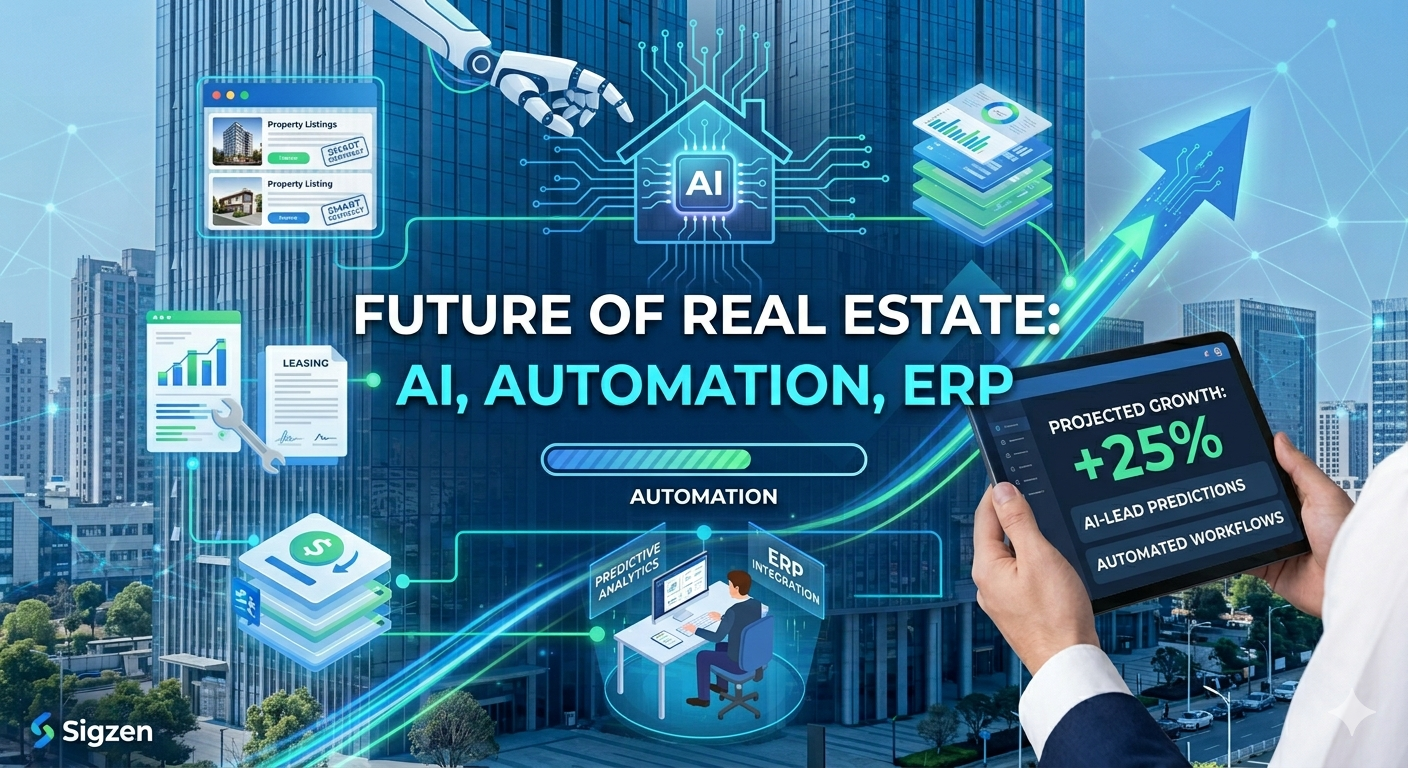
Industry 4.0 Integration: IoT and AI are transforming factories—ERP is the foundation.
Regulatory Compliance: Automated tax, GST, and audit reporting are essential.
Strategic Data Use: ERPs turn data into a growth advantage.
Your Roadmap to Success
Identify pain points in production and supply chain.
Translate them into ERP requirements.
Shortlist specialized manufacturing ERPs.
Select a vendor with proven manufacturing experience.
Define phased rollout with clear goals.
Measure progress and refine workflows.
Scale to new plants and markets confidently.
Conclusion
Choosing the best ERP for manufacturing is not about picking the most popular software—it’s about selecting one that fits your business model, integrates your operations, and scales with your growth.
A purpose-built manufacturing ERP enhances production visibility, controls cost, and ensures compliance—all crucial for success in the Indian market.
If your organization is ready to optimize production, inventory, and supply chain operations, explore Sigzen’s Manufacturing ERPNext solutions to begin your digital transformation today.
FAQs
What is the best ERP for manufacturing?
It’s a system that integrates production, inventory, finance, and quality management in one platform—built specifically for manufacturers.
Why can’t generic ERPs handle manufacturing?
They lack specialized modules like BOM, routing, shop-floor control, and traceability essential for production processes.
How does ERP for manufacturing in India differ?
It includes GST compliance, multi-location support, e-way bills, and vendor localization for Indian operations.
When should a manufacturer adopt ERP?
When data silos, production delays, or scalability issues start hindering growth.
Can small manufacturers afford ERP?
Yes. Modular solutions like ERPNext offer affordable entry points with fast ROI for SMBs.












Write a comment ...