
Introduction: The Digital Backbone of Modern Manufacturing
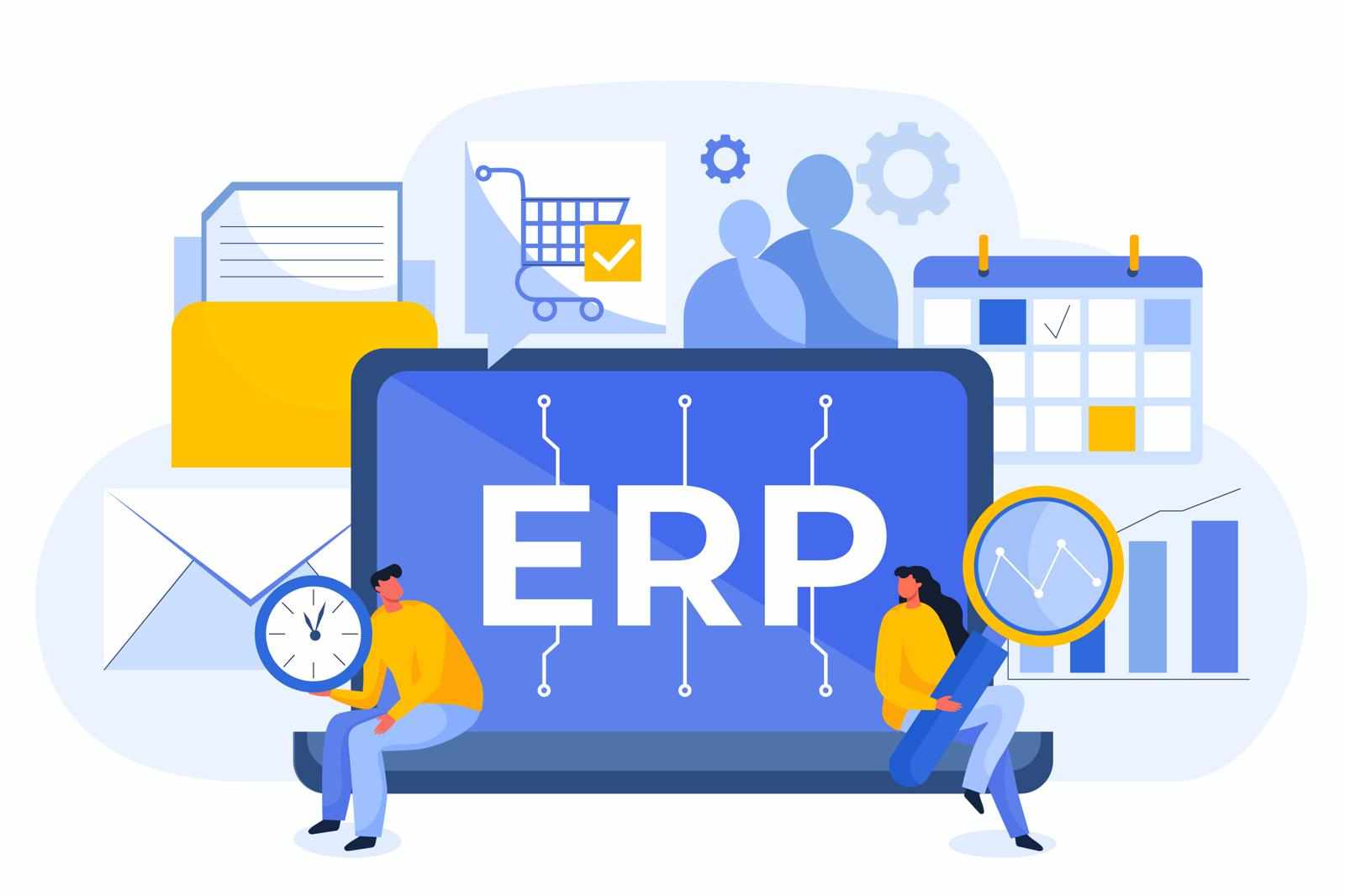
In today's competitive landscape, a manufacturing business is only as strong as its operations. From managing complex supply chains to optimizing shop floor efficiency, the sheer volume of data and moving parts can overwhelm even the most experienced teams. This is where an Enterprise Resource Planning (ERP) system becomes indispensable—it's the digital backbone that connects every aspect of your business.
For manufacturers in India, the challenge is unique. You need a system that not only streamlines production but also seamlessly integrates with local compliance standards like GST. This guide will help you navigate the complex world of manufacturing ERPs, highlighting the key features to look for and comparing the top solutions on the market, with a special focus on the open-source powerhouse, ERPNext, and how partners like Sigzen Technologies are making it the go-to choice.
What is a Manufacturing ERP and Why Do You Need One?
At its core, a manufacturing ERP is a software suite designed to manage all the processes of a manufacturing business, from raw material procurement to final product delivery. By centralizing data and automating workflows, it provides a single source of truth for your entire organization.
The Tangible Benefits:
Improved Operational Efficiency: Automate repetitive tasks like order processing and inventory tracking.
Real-Time Data & Insights: Gain instant visibility into production schedules, stock levels, and financials. This allows for informed decision-making.
Cost Reduction: Optimize resource utilization, reduce waste, and improve supply chain management. Case studies show that companies can reduce lead times by up to 95% and achieve a 66% ROI within three years.
Enhanced Quality Control: Integrate quality checks at every stage, from raw materials to finished goods, ensuring product excellence and reducing defects.
Key Features Every Manufacturing ERP Must Have
When evaluating an ERP system, ensure it has these core capabilities:
Production Planning & Scheduling: Plan your production runs based on demand, resources, and material availability.
Bill of Materials (BoM) Management: Create multi-level BoMs that detail every component and process required for production.
Material Resource Planning (MRP): Automatically calculate the raw materials and components needed for a production order.
Shop Floor Management: Track work orders, job cards, and machine status in real-time.
Inventory & Warehouse Management: Gain real-time visibility into stock levels across multiple locations.
Subcontracting & Outsourcing Management: Seamlessly manage third-party vendor processes while maintaining control over your inventory.
Quality Control: Implement inspection plans and quality checks at various stages of production.
Financial & Accounting Integration: Link production data directly to your financials for accurate job costing and invoicing.
Top ERP Systems for Manufacturing: A Comparative Overview
The market is filled with excellent options. Here's a look at some of the leading contenders and how they stack up.
SAP S/4HANA & Microsoft Dynamics 365: These are the enterprise giants, best suited for large, multinational corporations. They offer unparalleled depth and functionality but come with a high price tag and complex implementation.
NetSuite & Epicor: Strong cloud-based solutions tailored for mid-to-large-sized manufacturers. NetSuite is highly scalable, while Epicor Kinetic has a long history of being built specifically for the manufacturing sector. Both can have significant implementation and user costs.
Acumatica: Known for its unique, consumption-based pricing model, which can be advantageous for fast-growing companies with many users.
ERPNext: This is the game-changer. As a powerful, open-source ERP, it stands out for its flexibility and affordability. It is modular, making it a perfect fit for a wide range of businesses from startups to large enterprises. Unlike proprietary software, ERPNext has no licensing fees, which drastically lowers the total cost of ownership.
A Closer Look: The Best ERP for Manufacturing in India
The Indian manufacturing sector has its own set of unique needs, primarily driven by the dominance of Small and Medium-sized Enterprises (SMEs) and the necessity for GST compliance. While global players are a good fit for large corporations, local solutions and open-source alternatives like ERPNext often provide the agility and cost-effectiveness that Indian businesses demand.
A key differentiator for an ERP in the Indian market is its ability to handle:
GST Compliance: An ideal ERP must automate GST return filing (GSTR-1, GSTR-3B), manage Input Tax Credit (ITC), and facilitate e-invoicing and e-way bill generation.
Tally Integration: Since Tally is the most popular accounting software in India, a seamless integration with it is a major advantage for businesses that want to link their operational data to their existing financial system.
This is where a solution like ERPNext, implemented by a local partner, truly shines. Its open-source nature allows for deep customization to meet these specific local requirements.
ERPNext for Manufacturing: The Open-Source Advantage
ERPNext is not just a budget-friendly alternative; it's a robust solution built on the Frappe framework. Its core manufacturing module offers everything from production planning to quality control.
Why choose ERPNext?
Cost-Effectiveness: No licensing fees mean you only pay for implementation, customization, and support.
Unmatched Flexibility: The open-source code allows partners to create custom modules or workflows to fit your exact needs.
Cloud or On-Premise: Deploy the system on the cloud for accessibility or on-premise for more control over your data.
While implementing an open-source ERP can seem daunting, this is where a trusted partner is essential.
Sigzen Technologies: Your Trusted ERPNext Partner in India
At Sigzen Technologies, we specialize in helping manufacturing businesses harness the full potential of ERPNext. We understand that a successful ERP implementation is about more than just installing software; it's about a complete business transformation.
Our Expertise in Action:
From Assessment to Go-Live: We provide end-to-end services, starting with a detailed analysis of your unique business processes to ensure a tailored implementation that aligns with your strategic goals.
Customization and Integration: We go beyond standard features, developing custom modules and integrating ERPNext with third-party applications like Tally and your e-commerce platforms to create a unified ecosystem.
Real-World Success Stories: Our work with clients like Unity Cement in Gujarat, India, and other manufacturers demonstrates our ability to drive operational efficiency and measurable results. Testimonials from our clients speak volumes about our commitment to excellence and our ability to streamline operations from procurement to dispatch.
Conclusion: Making the Right Choice for Your Business
Choosing the best ERP for manufacturing is a strategic decision that will shape your business's future. While many powerful systems exist, ERPNext stands out as a leading contender, especially for the price-conscious and agile Indian market. Its blend of powerful features, open-source flexibility, and cost-effectiveness makes it a formidable choice.
By partnering with a certified expert like Sigzen Technologies, you can ensure a seamless and successful implementation, unlocking a new era of efficiency and growth for your manufacturing business.







Write a comment ...